
Nutrient Patterns in Populations
Broad observational insights into population-level nutrient intake patterns and their associations with health markers
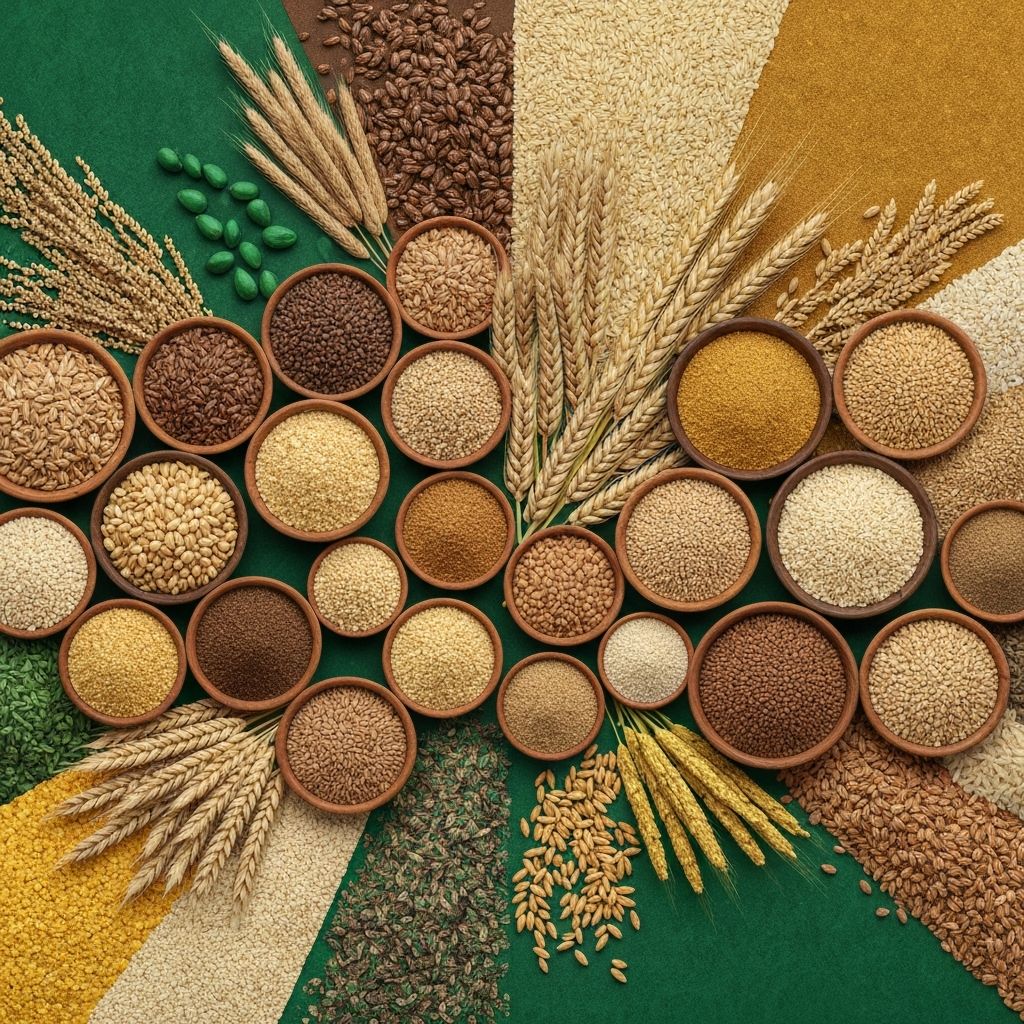
Population Nutrition Research
Epidemiological studies examine nutrient intake patterns across large populations, revealing associations between dietary patterns and health outcomes. These observations provide valuable context about nutrition at a population level, though individual responses vary significantly.
Dietary Pattern Observations
Traditional Mediterranean Dietary Pattern
Mediterranean populations consuming diets rich in vegetables, fruits, legumes, whole grains, and olive oil show associations with favorable health markers. This pattern emphasizes plant-based foods with moderate fish consumption and limited processed foods. Population studies associate this pattern with cardiovascular health and longevity, though causation cannot be proven from observation alone.
Asian Dietary Patterns
Traditional Asian diets emphasizing rice or noodles, vegetables, soy, and moderate protein intake show varied associations with health markers across regions. Japanese populations consuming seaweed, fish, and fermented foods demonstrate associations with specific health profiles. However, dietary patterns vary considerably within Asia, and modernization affects traditional nutrient intake.
African Dietary Diversity
African populations consuming varied legumes, whole grains, vegetables, and fruits show different nutrient intake patterns. Millet, sorghum, and other traditional grains provide micronutrients distinct from wheat. Food diversity appears associated with broader nutrient adequacy across populations.
Global Nutrient Intake Variations
Micronutrient Sufficiency Patterns
Population-level studies reveal global variations in micronutrient intake:
- Populations with limited access to diverse foods show higher deficiency rates
- Iron deficiency affects billions globally, particularly among women and children
- Iodine deficiency affects populations lacking access to iodized salt
- Vitamin D deficiency increases in populations with limited sun exposure or dark skin in high latitudes
- Vitamin B12 deficiency affects vegetarian populations lacking fortified foods or supplementation
Macronutrient Intake Patterns
Population carbohydrate intake varies from 45% of calories in high-income countries to over 70% in many low-income regions. Protein intake varies from 10% to 20% of calories across populations. Fat intake ranges from under 20% to over 40% of calories. These population patterns reflect food availability, cultural preferences, and economic factors.
Association Between Nutrient Intake and Health Markers
Cardiovascular Health
Population studies associate higher fiber intake, abundant vegetables, and moderate salt intake with cardiovascular benefits. Populations consuming high salt show associations with elevated blood pressure. However, these are associations at population level; individual responses vary significantly based on genetics and other factors.
Bone Health
Calcium and vitamin D intake shows associations with bone density at population level. Populations with high fracture rates often have low calcium intake. However, other factors including physical activity, genetics, and hormonal status strongly influence bone health.
Metabolic Health
Refined carbohydrate consumption shows associations with metabolic dysfunction across populations. Populations consuming whole grains show associations with improved metabolic markers. Population-level fiber intake associates with favorable body composition measurements, though individual variation is substantial.
Socioeconomic Factors and Nutrient Intake
Food access, affordability, and cultural factors significantly influence population nutrient intake. Wealthier populations typically have greater food diversity and micronutrient adequacy. Lower-income populations often rely on staple grains with limited access to diverse fruits, vegetables, and protein sources. Education about nutrition within available resources can improve outcomes.
Food Systems and Nutrient Availability
Agricultural Diversity
Regions with agricultural diversity producing varied crops show populations with better nutrient adequacy. Monoculture systems may create nutrient gaps. Regional crop selection influences available nutrients—tropical regions provide year-round fruit; temperate regions have seasonal variation.
Food Processing and Fortification
Processed foods often lose nutrients but can be fortified—flour fortification with B vitamins and iron prevents deficiency in populations relying on grains. However, ultra-processed foods often contain excess salt, sugar, and refined carbohydrates beyond basic nutrients.
Population Genetics and Nutrient Response
Populations demonstrate genetic variation affecting nutrient absorption and metabolism. Lactase persistence (ability to digest milk) varies globally, affecting dairy utilization. Iron absorption varies with genetic factors. Vitamin D synthesis varies with skin pigmentation. These genetic factors mean population patterns don't necessarily apply to individuals.
Important Distinctions
Association vs. Causation
Population studies showing associations cannot prove causation. Populations with high vegetable intake may also exercise more, sleep better, and have better healthcare access. These confounding factors can explain observed associations without direct nutrient effects.
Population Patterns vs. Individual Needs
Population-level patterns represent averages masking individual variation. An individual's needs depend on age, activity level, health status, genetics, and other factors. Population observations provide context but cannot substitute for individual assessment.
Conclusion
Population-level nutrient research reveals broad patterns and associations informing understanding of dietary patterns and health. Observational data show diverse populations, varied nutrient intake patterns, and associations with health markers. However, these population insights require individual interpretation considering personal circumstances, genetics, and health status. Population science provides valuable context; individual health decisions require professional guidance.
Educational Content Notice
This article provides educational information about nutrition science. It is not medical advice or personalized guidance. For health-related questions, please consult qualified healthcare professionals.